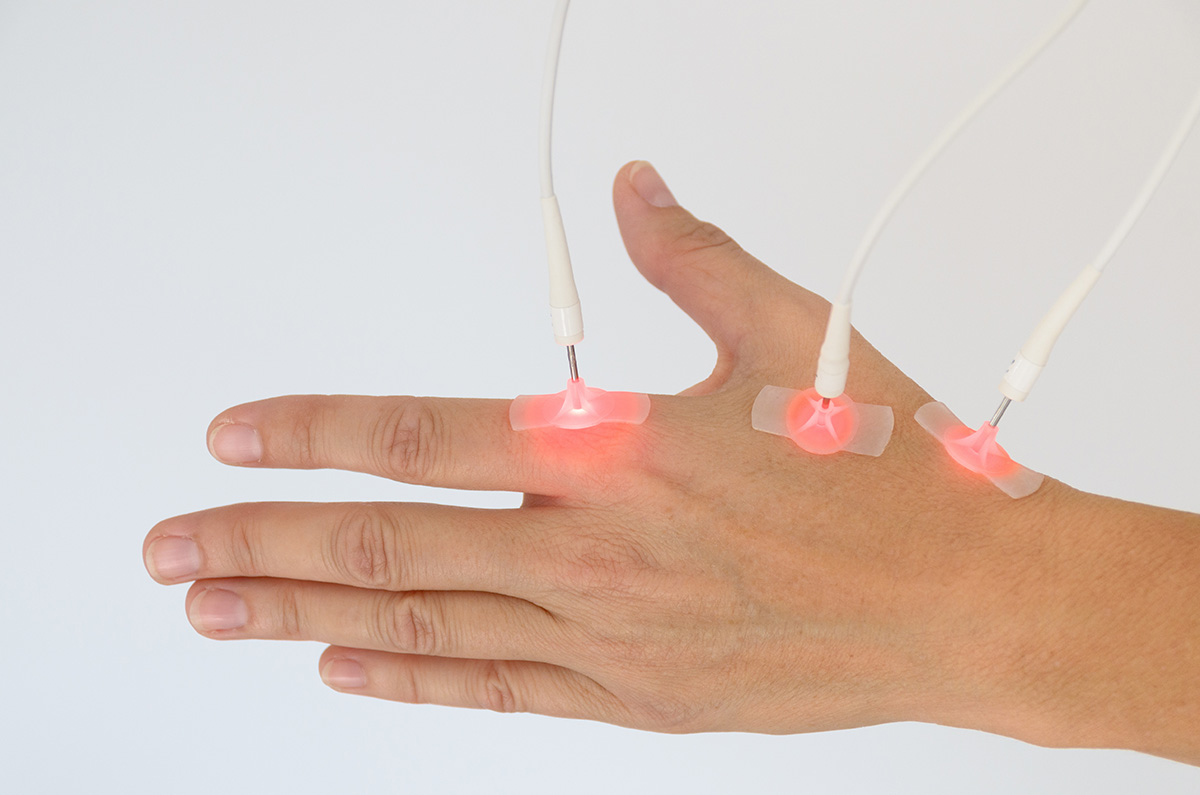
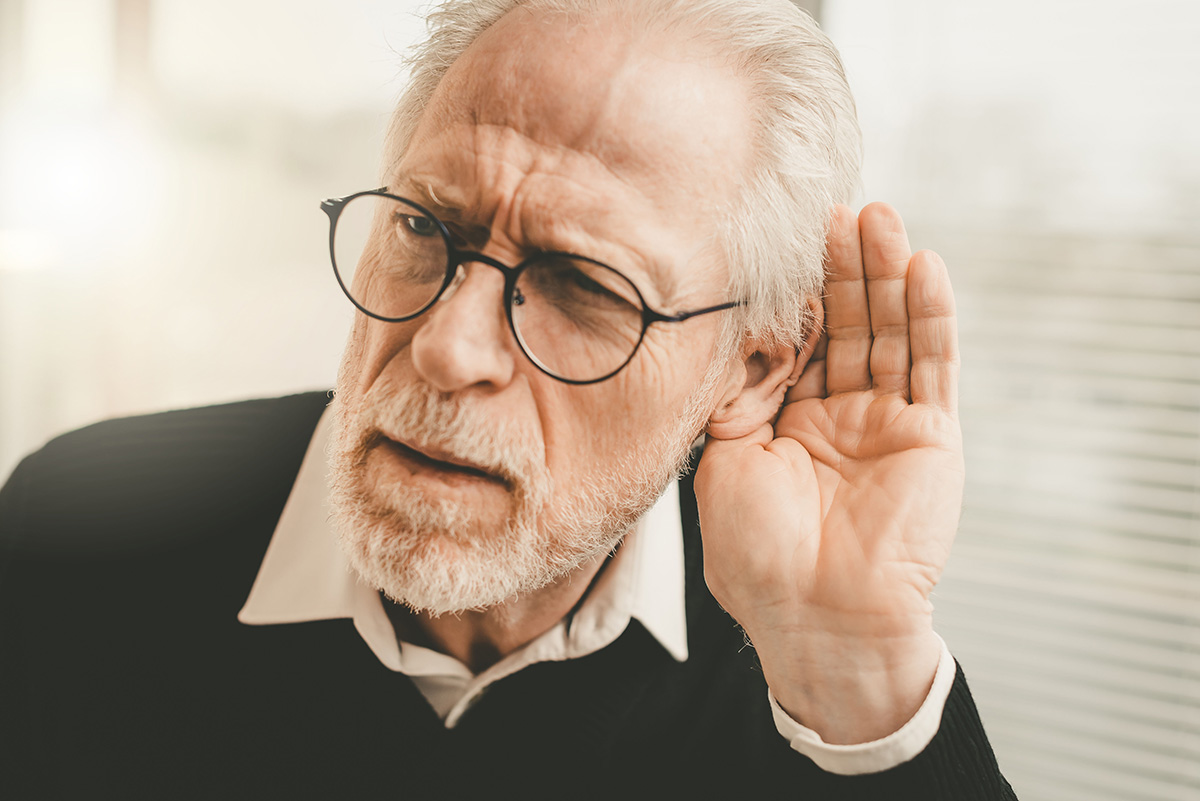
 Acupuncture may help support hearing health, especially for people with chronic hearing loss, tinnitus (ringing in the ears), or hearing changes linked to stress, aging, fatigue, or dizziness. It is not a guaranteed cure, and results vary from person to person, but many patients use acupuncture as a complement to medical care to improve symptoms and quality of life.
Acupuncture comes from Traditional Chinese Medicine (TCM), a system that looks at hearing as part of overall body balance rather than only a problem in the ear.
How Traditional Chinese Medicine views hearing
In TCM, the ears are connected to the Kidney system. This does not mean only the physical kidneys. In Chinese medicine, the Kidneys are responsible for:
Long-term energy and vitality
Aging and recovery
Nervous system support
Balance and stability
Hearing and ear health
TCM says that “the Kidneys open into the ears.” When this system is strong, hearing is clearer. When it becomes weak—often due to aging, long-term stress, poor sleep, illness, or overwork—hearing loss or tinnitus may develop.
Common patterns seen with hearing problems
Everyone is different. Your acupuncturist looks for patterns, not just symptoms. Common patterns include:
1. Age-related or long-term hearing loss
Often linked to gradual depletion of energy and vitality.
May come with fatigue, lower back weakness, or memory changes.
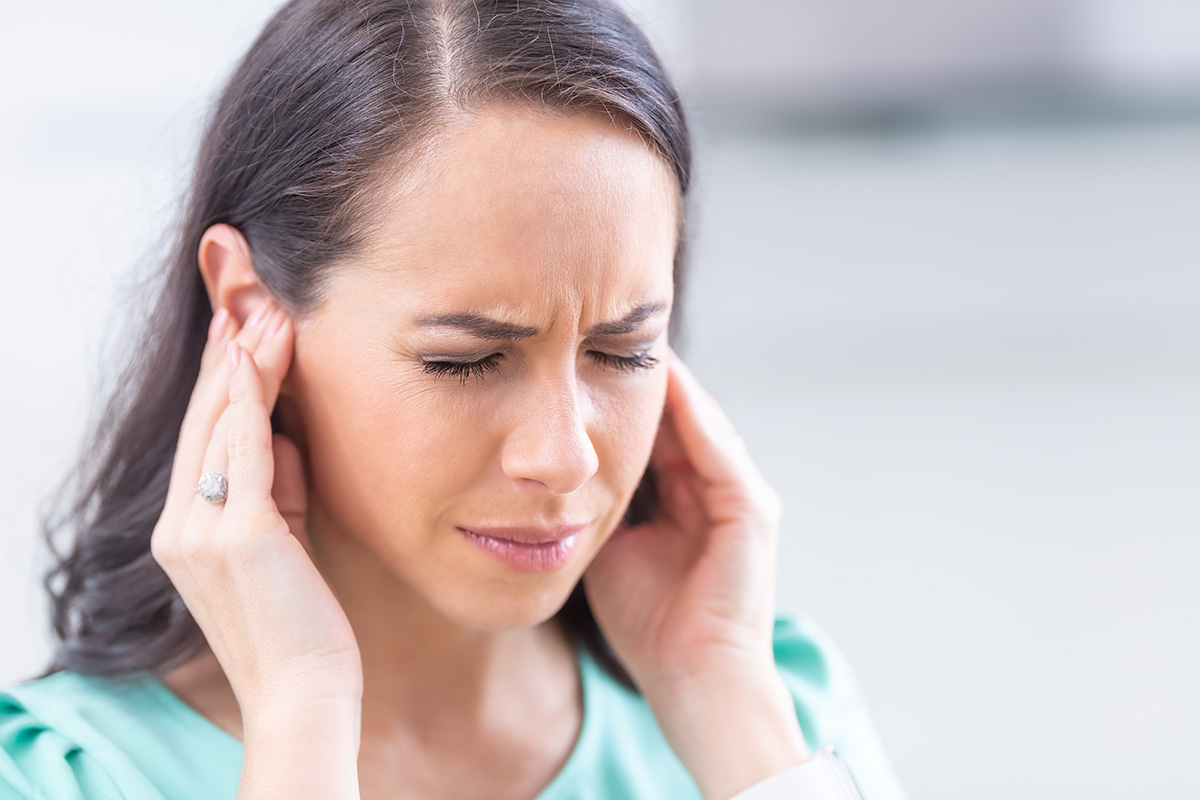
2. Tinnitus (ringing, buzzing, humming)
Can be high-pitched or low-pitched.
May worsen with stress, poor sleep, or at night.
3. Stress-related hearing symptoms
Stress can aggravate ringing, pressure, or sound sensitivity.
4. Ear fullness or muffled hearing
Sometimes linked to congestion, dizziness, or digestive imbalance.
Your treatment plan is based on your specific pattern, not just your diagnosis.
How acupuncture may help
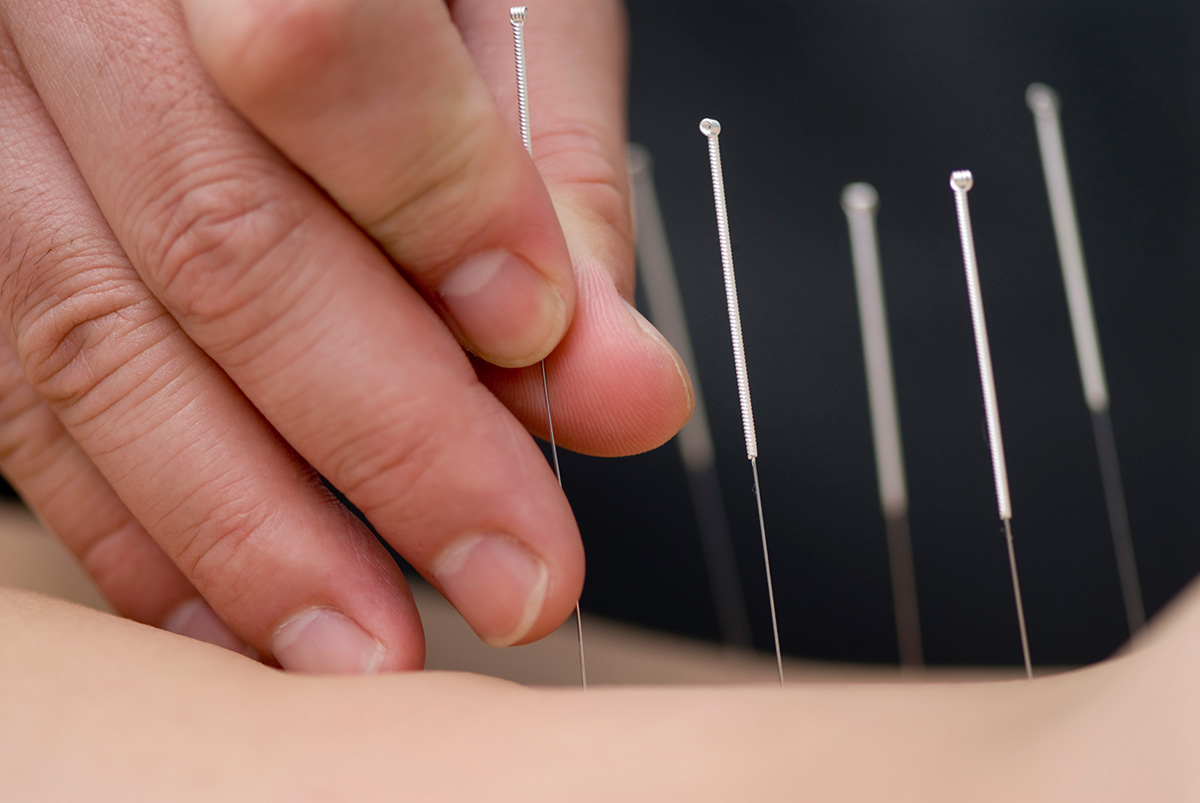
Acupuncture uses very fine needles placed at specific points on the body. For hearing concerns, treatment aims to:
Improve circulation to the head and ears
Support the body’s nervous system
Reduce stress and tension
Calm ringing or sound sensitivity
Support long-term energy and balance
Treatment usually includes:
Local points near the ears, head, and neck
Distal points on the arms, legs, or back to treat the root cause
This whole-body approach is central to Chinese medicine.
What benefits patients may notice
Results vary, but patients often report:
Reduced intensity or frequency of tinnitus
Hearing that feels more stable or clear
Less ear pressure or fullness
Improved sleep
Less dizziness
Better stress tolerance
Improved overall well-being
Some people notice changes quickly; others improve gradually over time.
What acupuncture cannot do
Acupuncture:
❌ Cannot reverse severe nerve damage
❌ Is not a replacement for hearing aids or medical care
❌ Is not an emergency treatment
It works best as supportive care, especially for chronic conditions.
How many treatments are needed?
This depends on:
How long symptoms have been present
Age and overall health
Whether symptoms are mild, moderate, or long-standing
A common plan:
1–2 treatments per week at first
Reassessment after several weeks
Maintenance care if helpful
Chronic or age-related hearing loss often requires ongoing support, not one-time treatment.
Is acupuncture safe?
Yes, when performed by a licensed and trained practitioner using sterile needles. Side effects are usually mild and may include temporary soreness or relaxation.
When to seek medical care immediately
Acupuncture is not appropriate as first-line care for certain symptoms. Seek urgent medical attention if you experience:
Sudden hearing loss (especially in one ear)
Rapidly worsening hearing
Severe dizziness with weakness, numbness, or confusion
Ear pain with fever or discharge
Acupuncture can be added after medical evaluation when appropriate.
How you can support treatment
Acupuncture works best when combined with healthy habits:
Get adequate sleep
Manage stress
Avoid excessive noise exposure
Take breaks from overwork
Eat regularly and stay hydrated
Follow your practitioner’s recommendations
Small lifestyle changes can make a big difference.

Summary
Acupuncture offers a whole-body approach to hearing loss and tinnitus. While it may not restore hearing in all cases, it can help reduce symptoms, improve comfort, and support overall balance—especially when used alongside conventional medical care.
If you have questions about whether acupuncture is right for your hearing concerns, talk with your acupuncturist or healthcare provider.

Lee Schwalb is a licensed acupuncturist in Doylestown, PA with over 20 years of clinical experience, treating a broad range of health issues, from idiopathic pain and acute injuries to stress, anxiety and many other conditions.